Who Governed Afghanistan before 1978?
- Admin Gauge
- Feb 4, 2025
- 5 min read
Summary: Refugees in West Asia and Anti-communism
Yesterday, I explained how Afghanistan refugees (refugees in the definition of UNHCR are only anti-communists and the survivors of war criminals of WWII) spread to Iran and Pakistan after the 1978 "Revolution" by Soviet. I am not sure if it was really a communist revolution by Soviet or not because the immigration trend in Afghanistan was very similar to a communist state in 1960 - 1978 too. It means that perhaps Afghanistan was already a kind of Soviet state even since before 1978, but a big political purge happened in 1978, for example a mass arrest of anti-communists.
And then, such Afghan origin refugees had been deployed in Pakistan and Iran when anti-communists prepared for the coup against Soviet around 1988. In 1988-1989, the anti-communists accomplished the withdrawal of Soviet troops from Afghanistan. And then, it led to the fall of the whole Soviet in 1991.
After that, the anti-communist refugees who stayed in Iran and Pakistan mostly went back to Afghanistan. However, when the politics of Afghanistan is seized by someone has close relationships with the past communism regime, "Afghan refugees" often went back to Pakistan. So, such Afghan refugees strengthen the anti-communism in Pakistan.
In any case, who are the Afghan refugees?
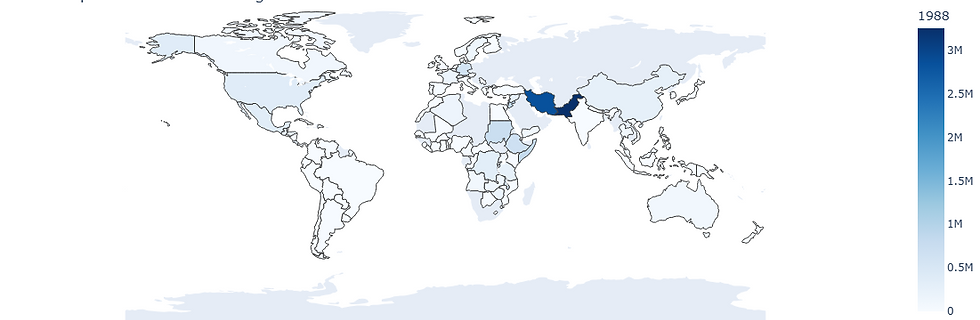
Afghan Refugees Who Were Purged in 1978
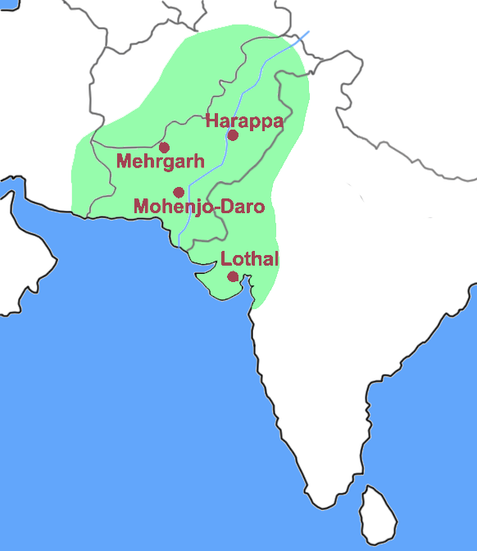
The problematic "Indus Civilization" covered Pakistan, India, and even some part of Afghanistan. There are various hypothesis, but most maps include South Part of Afghanistan and South East part of Iran in the Indus civilization.



More precisely, the ancient civilization always dealt with water related infrastructure projects. So, let's check dam and river irrigation projects in Afghanistan during WWI/ WWII and in the early of the Cold War (1950-1960s).
Development of Helmand Valley
I found a project of dam construction and irrigation in Afghanistan in 1950s by USAID.
While the story of Afghan development long antedates the Cold War era, the US-Soviet struggle accelerated it and accorded it global significance. Washington, and Moscow, among other actors, financed an array of ambitious modernization projects throughout Afghanistan. Afghan elites, especially Prime Minister (later, President) Mohammed Daoud Khan, consciously stoked the competition. Americans commenced a sizable irrigation and hydroelectric project in the Helmand Valley and subsequently committed to modernize Afghan aviation. The Soviets constructed myriad projects, ranging from the high-altitude Salang Pass tunnel to the Kabul Airport. After years of isolation, Afghanistan enjoyed a surfeit of attention from its industrialized patrons.
Another information (AI's answer by Google) indicates that it was led by USAID. Also, the "resettlement of families" in this context is, assumingly, the "resettlement of refugees (the war criminals of WWII)",
The Helmand Valley development is a project in Afghanistan that aims to improve the valley's water supply, land use, and infrastructure. The project began in 1946 and has involved the construction of dams, canals, and roads, as well as the resettlement of families.
>>
Development goals
Irrigation: The project aims to provide water for irrigation through dams and canals
Land use: The project aims to reclaim land for farming through irrigation
Flood control: The project aims to control flooding through dams and reservoirs
Power supply: The project aims to improve the power supply in the valley
Infrastructure: The project aims to improve the roads and transportation in the valley
Resettlement: The project aims to resettle families in the valley
Education: The project aims to improve education in the valley
Health: The project aims to improve health in the valley
Development history
The Government of Afghanistan began the project in 1946
The Arghandab Dam was completed in 1952
The Kajaki Dam was completed in 1953
The Technical Cooperation Agency began providing assistance in 1960
The United States provided assistance for several decades
Namely, the dam construction projects in Afghanistan (Kajaki Dam and Arghandab Dam) were even older than Mangla Dam in Pakistan. There were other irrigation projects around this area such as Amu Darya** (from Aral Sea to the north of Afghanistan). However, it was started around 1960s.
** "Darya" (دریا) in Persian means river, sea and flood. In Persian language, they write only consonants except long vowels. And this term is written as "d r y a". In Bengali (Bangladesh), it is pronounced as "doriya". I suspect that it is the origin of "Dorians" in Greece which are identified with "Sea People" who destroyed several countries. Also, it was Dorian Greeks who established Istanbul as the capital of Byzantine empire because only Dorians did not have a land with good access to the continents. Dorian realm was mostly in the islands of Greece. So, if Athenians invaded Istanbul, they would have established their capital in Athens because it is already a good location to go to Europe and Asia by land route.
So, possibly, this Helmand Valley project is one of the oldest project which invaded West Asia. According to some information, Japan and Germany started to develop Helmand Valley in 1930s. However, after the two countries were defeated in the WWII, US succeeded this project. It is noted that Hitler also mentioned "Aryan supremacy" and Aryan is originally from this area (Indus Civilization area). So, investigation of this Helmand Valley project is a key factor for deeper understanding of their war crime.
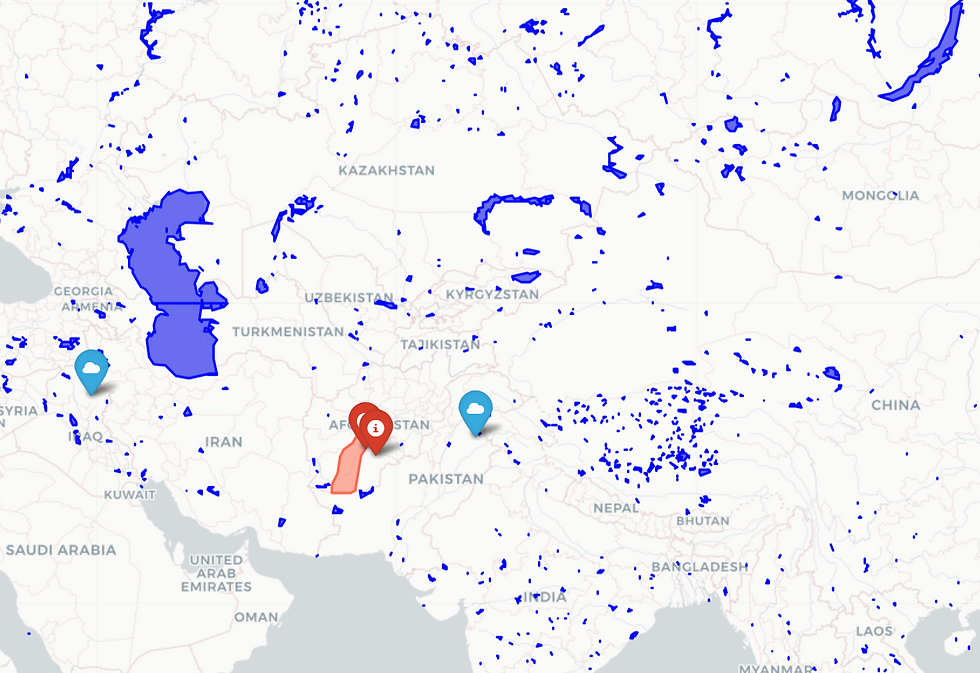
Hoover Dam Style Development by USAID
Since 1950s, USAID started to develop Helmand Valley based on the method of Hoover Dam in US. Hoover Dam was constructed by Bechtel in 1930s. Bechtel is a South German origin surname. Possibly, the founder of the company is related to the Austria-Hungary empire and Bavaria where Hitler emerged. Also, Hoover Dam is located in Nevada, which is close to Las Vegas and the "Area 51" which was mentioned as the hub of "Aliens' abduction".
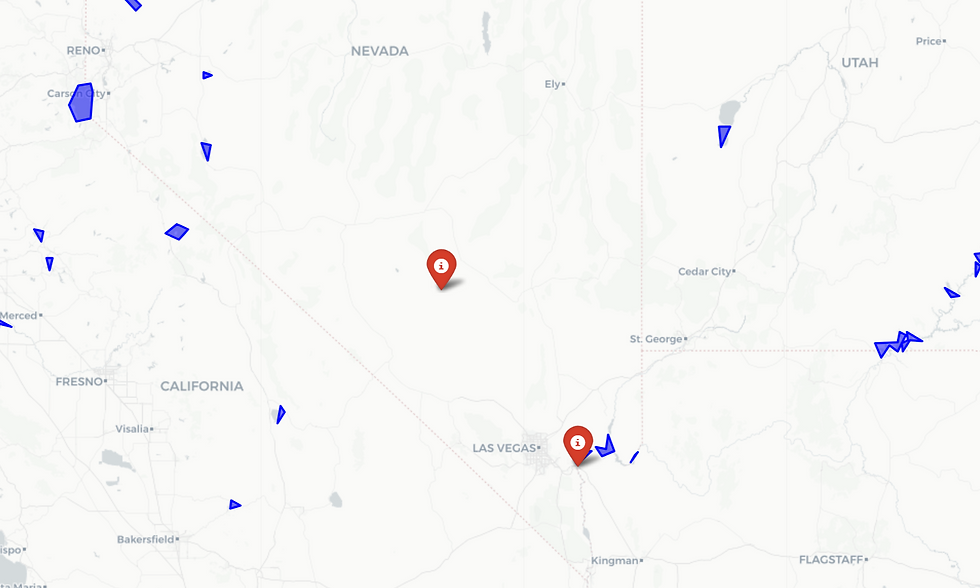
Also, Bechtel is a company which privatized the water system in Bolivia in 2010s. It caused a water crisis and the economic crisis there.
In 1960s, many Americans moved to this Helmand Valley, and it was even called "little America". So, it is likely that the "Afghanistan Refugees" after 1978 were related to these American settlers or the settlers related to Helmand Valley Development Project. And this area is exactly the area of "poppies farmers" (drug farmers) which sustain the terrorist fund in Afghanistan. According to the wiki of
HAVA (the organization which managed the irrigation project), this project was started originally by the fund from Japanese empire in 1930s. Also, it says that US involved in this project until the invasion of Soviet to Afghanistan in 1979. It means that such people related to Helmand Valley development were purged by Soviet authority. And naturally, they tried to oust pro-Soviet regime since then.
Also, the capital of the province Helmand is "Lashkargah". Lashkar - Laskar is the pirates group who cooperated with the expansion of Jesuit's naval empire.
Conclusion
In conclusion, these "water infrastructure developers" were the real figure of "Afghanistan Refugees" who spread to Iran and Pakistan. They were mainly Americans, but it may have included Japanese and Germans because US already accepted many refugees (the war criminals of WWII) in 1960. Such refugees in US, of course, included many Japanese imperial spies and Nazi German spies.
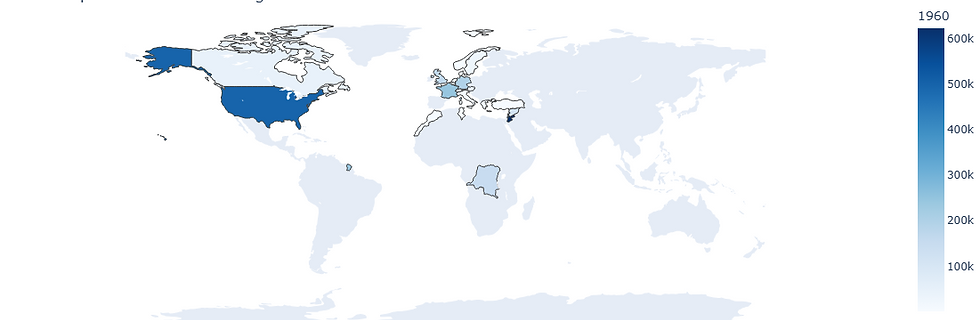
The following map shows the countries which received "refugees" (= War Criminals of WWII). It indicated that many of "western" countries (except the two military government countries in the postwar era - Spain and Portugal) accepted war criminals although they claim that they were a part of war victors.
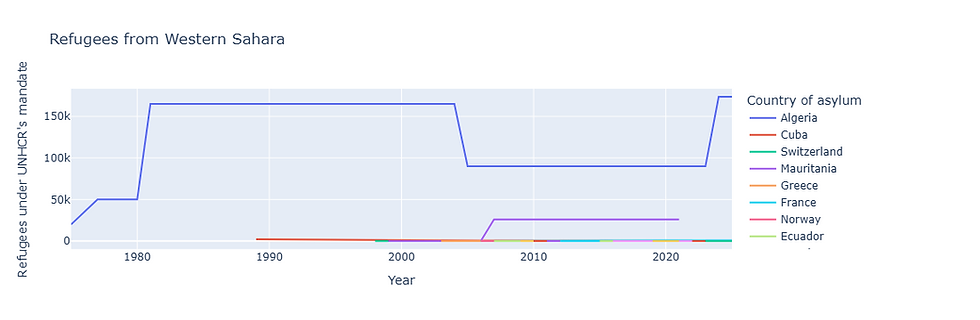
In the next article, I will explain the dynamic of refugees in 1960s and 1970s (the oldest decades in the data from UNHCR).


Comments