Bavaria and Austria-Hungary VII: Dachau
- Admin Gauge
- Apr 11, 2025
- 2 min read
Prisoners in Dachau Concentration Camp
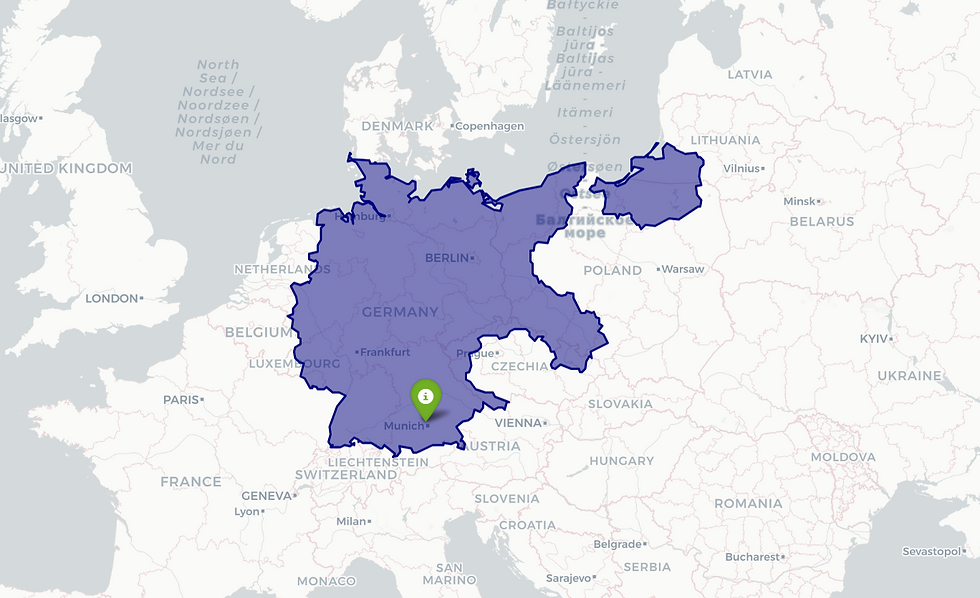
Dachau concentration camp was established on 22 March, 1933. The concentration camp was mainly for Catholic and Serbian Orthodox Christian war criminals (not for Jewish). And it used to capture many Austrian politicians after Germany annexed Austria on 12 March, 1938.
Here is the list of the prisoners in Dachau.
One of the most important prisoners there is Kurt Schuschnigg, the Austrian Prime Minister until the Anschluss(term: 29 July 1934 - 11 March 1938) . Germany annexed Austria on 12 March, and Schuschnigg resigned Prime Minister on 11 March. So, Anschluss means German led political regime change (or political purge of Habsburg faction).
It is noted that US helped Schuschnigg as a part of Displaced Person, and he acquired American citizenship. So, the "displaced person" whom US helped with the 1951 Displaced Persons Act were Habsburg Monarchists.
He is a Slovenia origin person, and the prefix of his surname "Schusch" originally meant the people from Bosnia/ Serbia/ Croatia. The suffix -igg means "son of" in Serbia/ Croatia area (-ik, ic etc.) So, he is obviously the patrilineal orthodox Christian. Also, his birth place was Trentino in Italy (past Austria-Hungary area). It is likely that he was on Habsburg side.
Another important people who were sent to Dachau after Anschluss were the sons of Ferdinand of Austria (the victim of the Sarajevo affair - the trigger of the WWI), Maximilian Hohenberg and Ernst von Hohenberg. This arrest obviously indicate that Germans arrested the zombies of Entente of WWI, or Habsburg faction. Both of them arrested in 1938, and released in 1943. In 1943, the international group established the suspicious aid organization UNRRA (United Nations Relief and Rehabilitation Administration, the origin of Marshall Plan). So, it is likely that UNRRA helped (or smuggled) the son of Ferdinand of Austria as "refugees".
Dachau Connection - Postwar Austrian Politics
Interestingly, the first prime minister of the postwar Austria, Leopold Figl was also a past prisoner in Dachau. Other important politicians in the postwar Austria were also sent to Dachau such as Alfons Gorbach, Felix Hurdes, Karl Maria Stepan (Stepan established schools and hospitals in Palestine), etc.
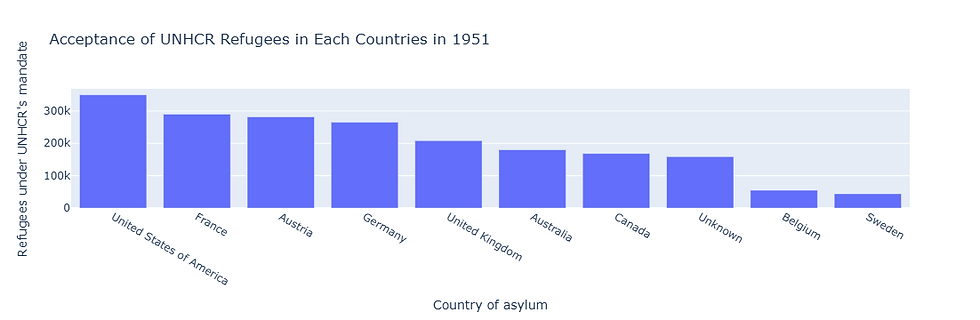
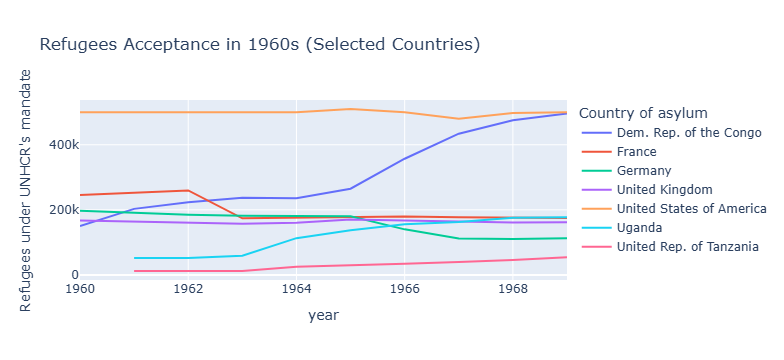
Postwar Austria has been obviously sustained by the war criminal connection of WWII. Austria also accepted lots of "refugees" (displaced persons) in 1951, the beginning of the statistics of UNHCR. Austria had the third largest refugee numbers, next to US and France. Also, the number seems a rough estimation (maybe the real numbers are bigger than the numbers in the UNHCR data).
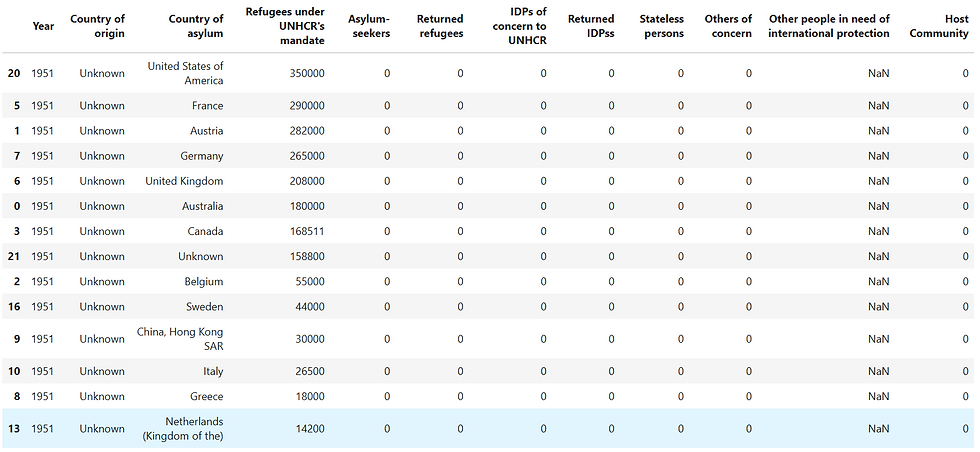
Dachau concentration camp included lots of criminals from kingdom of Yugoslavia (Serbian Orthodox Christians). So, assumingly, Austrian empire spread to Poland and Yugoslavia after WWI, and they maintain the relationship with the republic of Austria. Even after the dissolution of the "Empire", it did not change its nature. Next time, I will write about the historical conflict between Ustasha and Chetnik in Yugoslavia. The conflict started in WWII or before. And Ustasha members exiled to US as displaced persons. Such anti-communist faction caused the fall of Socialist Yugoslavia.
Comments